-
Apparition
Apparition With the speed of light it came – the light alighted on the wall above a little fliers balcony intrigued we look up – the light will it illuminate us from its pulpit or vanish as it came – swiftly with the speed of light Photo of the week: Art work by Wael Shawky,…
-
And her name is freedom
And her name is freedom She saw me looking intently at the reliefs on a wall of Persepolis. She asked if I liked them. She was sitting on a bench and offered me some nuts. I sat down next to her and we started talking, about the art, about my country, about hers. She was…
-
Selfie girls
Selfie girls 1979 – ….They are waiting for the moment that the second date can be filled in – and the chapter of the Islamic Revolution in Iran be closed.The generation of the young seems ready for it. As for them a new chapter starts tomorrow. The chapter of a free and secular Iran. Photos…
-
Learn young …
Learn young … Growing up in the 1950s in the catholic south of the Netherlands, my primary school was run by friars. For girls there was a convent school. Seeing these white-hooded, charmingly looking girls I get visions of hundreds of schools full of them, condemned by the Mullahs to become budding little nuns in…
-
Head scarf hassle
Head scarf hassle Nowhere have I seen more importance being given to bright red coloured lips than in Iran. Maybe it is to honour Iran’s still immensely popular 14th century poet Hafiz who never got tired of singing his odes in praise of the red colour of wine, roses and his lovers’ lips. But these…
-
Lipstick lips
Lipstick lips Iranian mannequins are made and used in bits and pieces. After the torsos for showing dresses and legs for leggings – see two earlier posts – it’s now the turn of heads for scarfs. Or is it lips for lipsticks? Photo of the week: Mannequin heads, Tehran, Iran 2017
-
Legging legs
Legging legs Underneath the body-covering veils and the hair-covering head scarfs of Iranian women a secret, colourful, swinging world can go hidden, unnoticed by the peeping eys of the morality police. Photo of the week: Legging legs, Tehran, Iran 2017
-
Window dressing
Window dressing “How beautiful … will I ever be allowed to wear a dress like this?” White dreams for ladies in black. Photo of the week: Window dressing, Tehran, Iran 2017
-
Mannequins
Mannequins With the advance of modern technology the two meanings of the word ‘mannequin’ – in French as in English – have grown towards one another. The lifeless dummies on the photo, showing clothes in a shop-window, can hardly be distinguished anymore from the living dolls doing the same at a fashion show. Perfect bodies,…
-
Marken
Marken A little further than the quiet villages of Waterland but still close to Amsterdam we find Marken. In the past a fishing village on a tiny island in the Zuyder Zee, now connected by road to the mainland. With its typical wooden houses around the harbour it has kept some of its looks of…
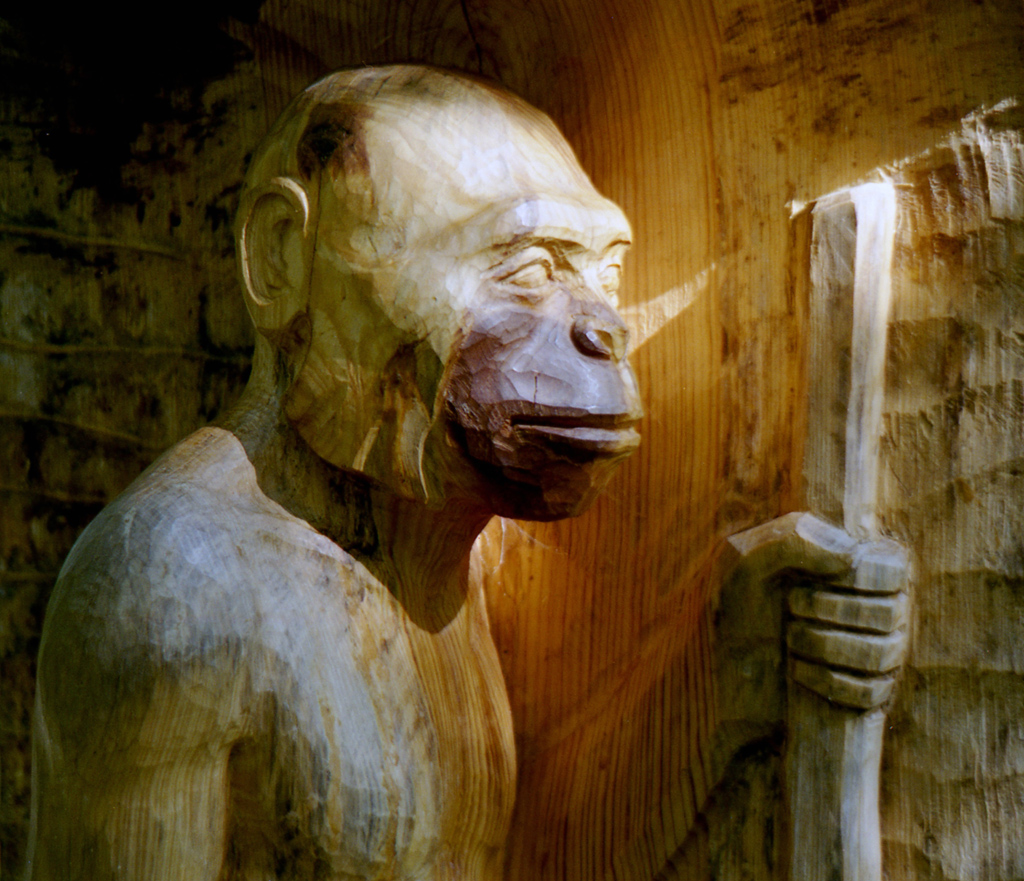
καιρός remembered
… the right moment, position chosen, shoot …
 καιρός remembered